
Our Teaching Philosophy
We view meditation not as clearing the mind or reaching a flawless state of serenity. It’s more about learning to be with whatever arises—the restlessness of thoughts, the planning mind, and even that peculiar itch that shows up midway through a session.
Our team brings together decades of practice across diverse traditions. Some of us began in academic philosophy, others through personal challenges, and a few simply discovered it in college and stayed. What unites us is a commitment to teaching meditation as a practical life skill rather than a mystical experience.
Each guide you’ll meet has their own way of conveying ideas. Ravi often uses everyday-life analogies, while Ananya draws on her psychology background. We’ve found that different approaches resonate with different people, so you’ll likely connect more with some teaching styles than others.
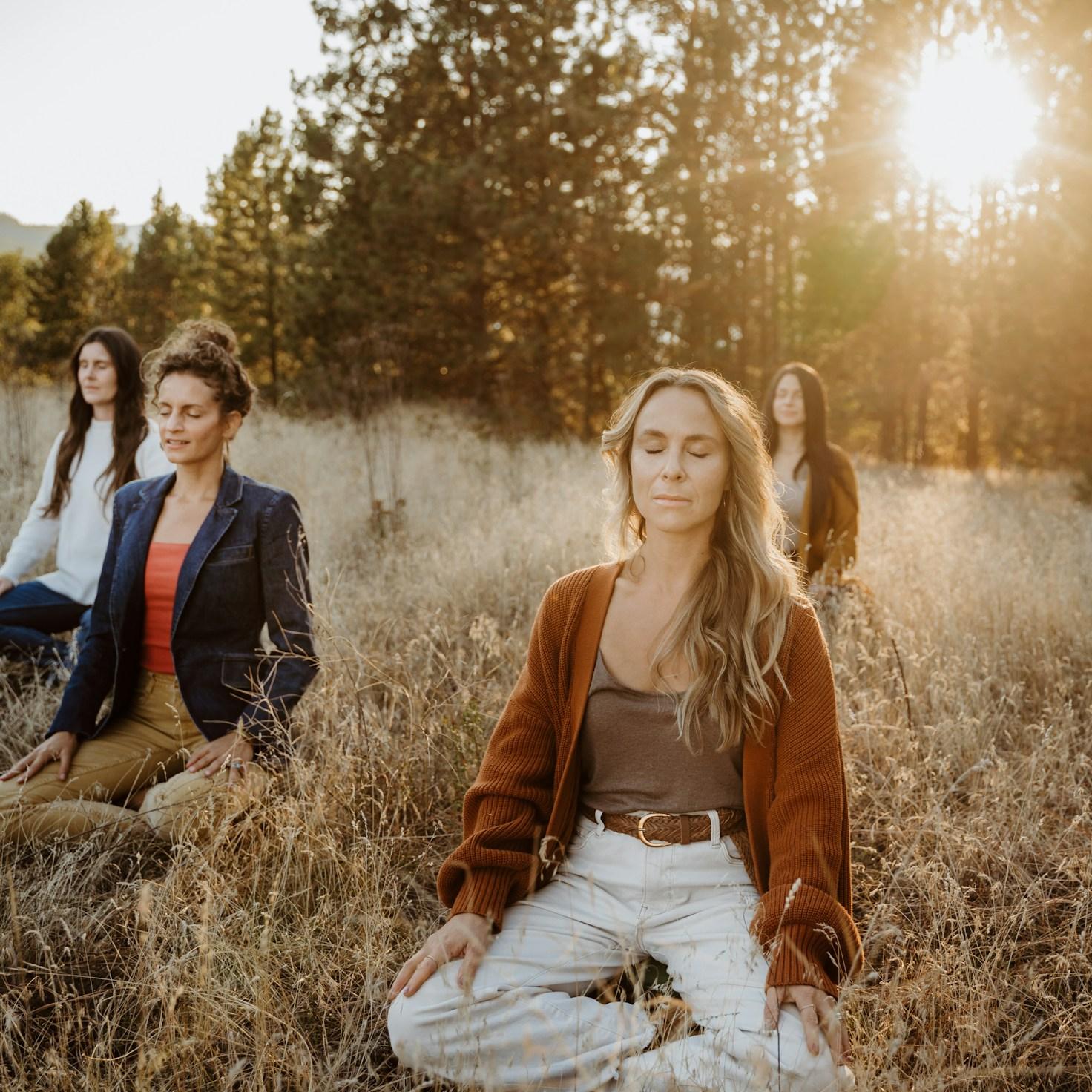
Your Meditation Guides
Two practitioners who’ve made meditation their life’s work, each offering a distinct perspective on the practice

Ravi Krishnamurthy
Lead Instructor
Ravi began meditating in 1998 after leaving his software engineering role burnt out. He spent three years studying Vipassana in Myanmar and later trained in Zen meditation in Japan. His strength lies in explaining ancient ideas through surprisingly contemporary analogies—he once likened the monkey mind to having too many browser tabs open.
He leads our foundational courses and specializes in helping busy professionals cultivate sustainable meditation habits. His sessions frequently include practical discussions about weaving mindfulness into work life and managing stress without spiritual bypassing.

Ananya Patel
Philosophy Guide
Ananya combines her PhD in United Kingdom Philosophy with fifteen years of personal meditation practice. She discovered contemplative practice while researching ancient texts and realized that academic understanding means little without experiential knowing. Her approach bridges scholarly insight with practical application.
She leads our deeper philosophical explorations and retreat programs. Ananya has a talent for making complex philosophical concepts accessible without oversimplifying. Students often say she helps them grasp not just how to meditate, but why these practices emerged and what they’re meant to accomplish.
Why We Teach This Way
After years of practice and teaching, we’ve learned that meditation works best when it’s demystified. We don’t promise enlightenment or claim you’ll reach perfect tranquility. Instead, we focus on developing skills that help you navigate life’s inevitable challenges with greater awareness and less reactivity.
Our courses start in September 2025, giving you time to reflect on whether this approach resonates with you. We believe in taking time to make thoughtful decisions about contemplative practice—it isn’t something to rush into based on momentary enthusiasm.
If you’re curious about learning meditation as a practical life skill rather than a spiritual pursuit, we’d be honored to guide your exploration. The practice has transformed our lives in subtle but meaningful ways, and we’ve seen it do the same for many others.